How Much Sun Do Hydrangeas Need
How Much Sun Do Hydrangeas Need?
Hydrangeas are a popular flowering shrub that can be found in gardens all over the world. They come in a variety of colors, shapes, and sizes, and they can add a touch of beauty to any landscape. But how much sun do hydrangeas need?
The answer to this question depends on the specific variety of hydrangea. Some hydrangeas prefer full sun, while others prefer partial shade. In general, most hydrangeas will do best with morning sun and afternoon shade.
Here is a breakdown of the sun requirements for some of the most popular types of hydrangeas:
- Bigleaf hydrangeas: These hydrangeas prefer partial shade, but they can tolerate full sun in cooler climates.
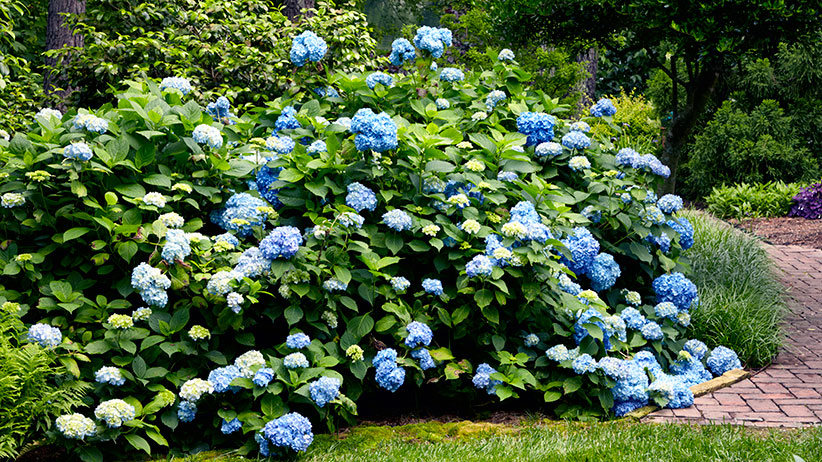
- Mophead hydrangeas: These hydrangeas prefer partial shade, but they can also tolerate full sun.
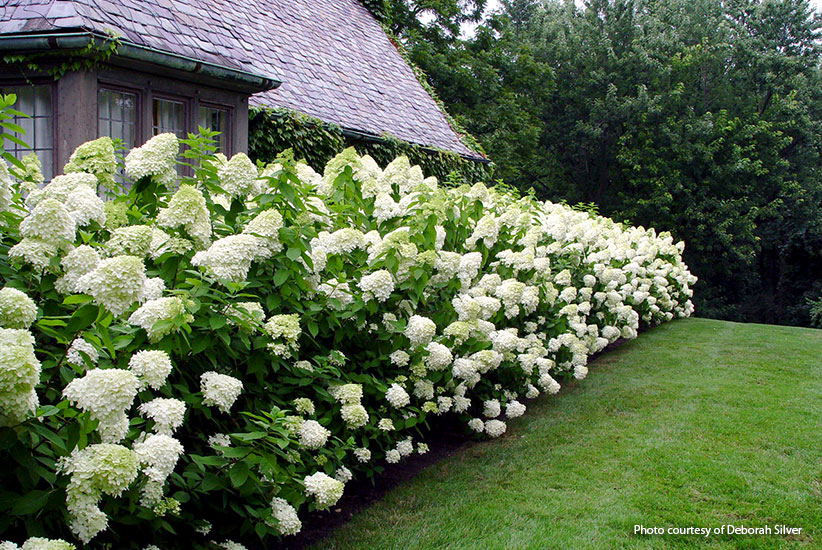
- Panicle hydrangeas: These hydrangeas can tolerate full sun, but they will bloom better if they receive some afternoon shade.
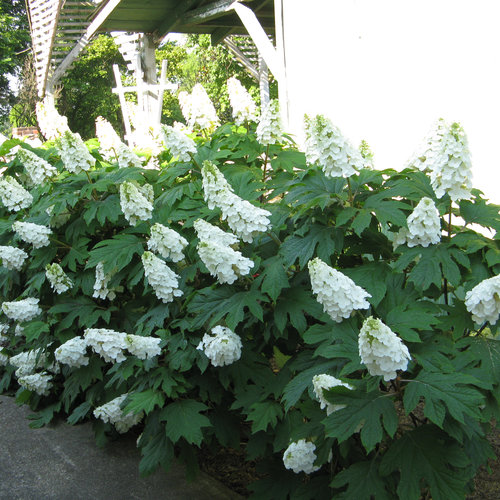
- Oakleaf hydrangeas: These hydrangeas prefer full shade.
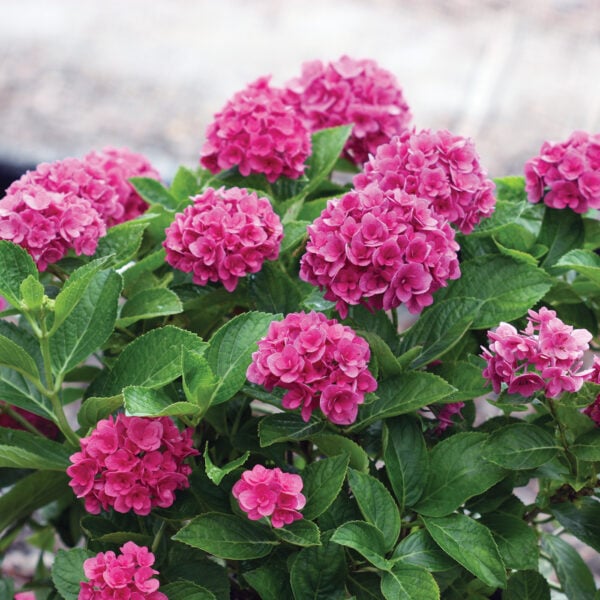
- Indica hydrangeas: These hydrangeas prefer partial shade.
If you are not sure how much sun your hydrangeas need, it is always best to err on the side of caution and plant them in a spot that receives partial shade. This will help to ensure that they get the right amount of light and moisture to thrive.
In addition to sunlight, hydrangeas also need well-drained soil and regular watering. They are not tolerant of drought conditions, so it is important to water them deeply and frequently, especially during hot, dry weather.
With proper care, hydrangeas can be a beautiful and long-lived addition to any garden. By choosing the right variety for your climate and planting it in a spot that receives the right amount of sunlight, you can enjoy these beautiful flowers for many years to come.
Hydrangeas are beautiful flowering shrubs that can add a touch of elegance to any garden. But not all hydrangeas are created equal. Some varieties prefer full sun, while others prefer partial shade. If you're not sure which type of hydrangea is right for your garden, or you're just curious about how much sun hydrangeas need in general, I recommend visiting .
is a comprehensive resource for all things hydrangea. You'll find information on everything from hydrangea care and planting to hydrangea varieties and troubleshooting. The website also has a helpful sun exposure guide that can help you determine which hydrangeas are right for your garden.
So whether you're a hydrangea novice or a seasoned pro, I encourage you to visit . You'll find everything you need to know about growing and caring for these beautiful shrubs.
FAQ of hydrangea sun
1. How much sun do hydrangeas need?
Hydrangeas can tolerate a wide range of sunlight conditions, but they generally prefer morning sun and afternoon shade. Too much direct sunlight can scorch their leaves and prevent them from blooming. If you live in a hot climate, it is best to plant hydrangeas in a location that receives filtered sunlight or dappled shade.
2. What happens if hydrangeas get too much sun?
If hydrangeas get too much sun, their leaves may start to turn brown or yellow. They may also wilt or stop blooming. In severe cases, too much sun can kill a hydrangea plant.
3. How can I protect hydrangeas from too much sun?
If you live in a hot climate, you can protect hydrangeas from too much sun by planting them in a location that receives filtered sunlight or dappled shade. You can also plant them under a tree or other tall structure that will provide some shade. In addition, you can mulch around the base of the plant to help keep the soil cool.
4. What are some signs that a hydrangea is getting too much sun?
Some signs that a hydrangea is getting too much sun include:
- Brown or yellow leaves
- Wilting leaves
- Stunted growth
- No flowers
5. How can I revive a hydrangea that has been damaged by too much sun?
If you think your hydrangea has been damaged by too much sun, the first thing you should do is move it to a location that receives filtered sunlight or dappled shade. You can also water the plant deeply to help it recover. If the leaves are already brown or yellow, you may need to remove them. With time and care, your hydrangea should start to recover and produce new leaves and flowers.
Image of hydrangea sun
5 different images of "hydrangea sun" from Pinterest:
- Hydrangea paniculata in full sun. This hydrangea variety is known for its large, cone-shaped blooms that can grow up to 12 inches long. It thrives in full sun, and its blooms will be brighter and more colorful in direct sunlight.

- Hydrangea arborescens in partial sun. This hydrangea variety is more tolerant of shade than the paniculata variety, but it will still bloom well in partial sun. Its blooms are smaller than those of the paniculata variety, but they are just as beautiful.
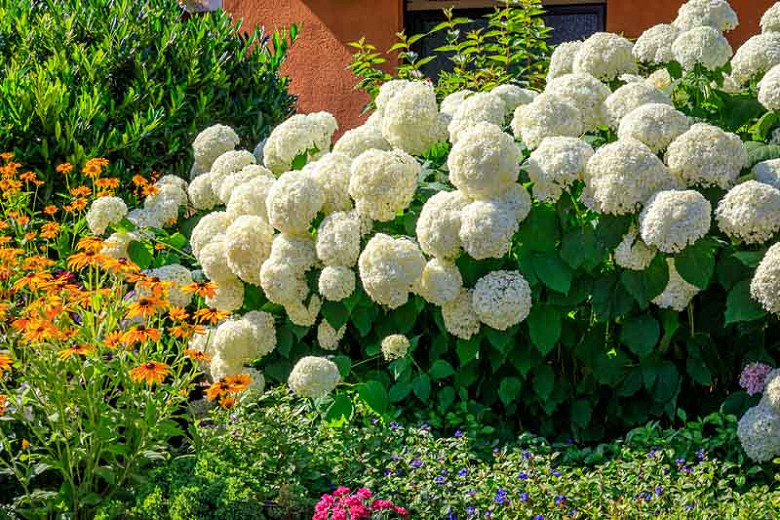
- Hydrangea macrophylla in morning sun. This hydrangea variety is sensitive to hot afternoon sun, so it is best to plant it in a spot that receives morning sun and afternoon shade. Its blooms are large and showy, and they can be blue, pink, or white.
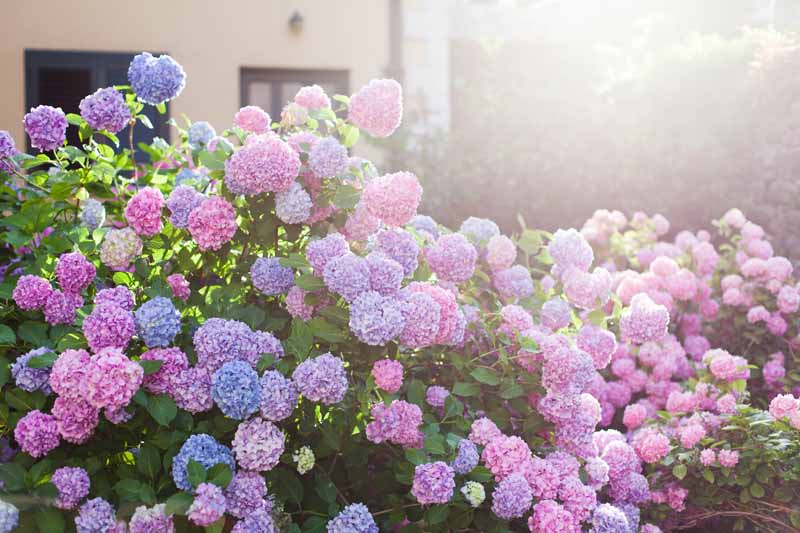
- Hydrangea quercifolia in full sun. This hydrangea variety is known for its oak-shaped leaves and its panicles of pink or blue blooms. It is a relatively hardy plant that can tolerate full sun, but it will do best in partial shade.
- Hydrangea serrata in partial sun. This hydrangea variety is native to Japan and Korea. It is known for its dainty, lacecap blooms that can be white, pink, or blue. It prefers partial shade, but it can tolerate full sun in cooler climates.


Post a Comment for "How Much Sun Do Hydrangeas Need"